Acne Treatment Tips: Effective Ways to Clear Your Skin Naturally
Introduction
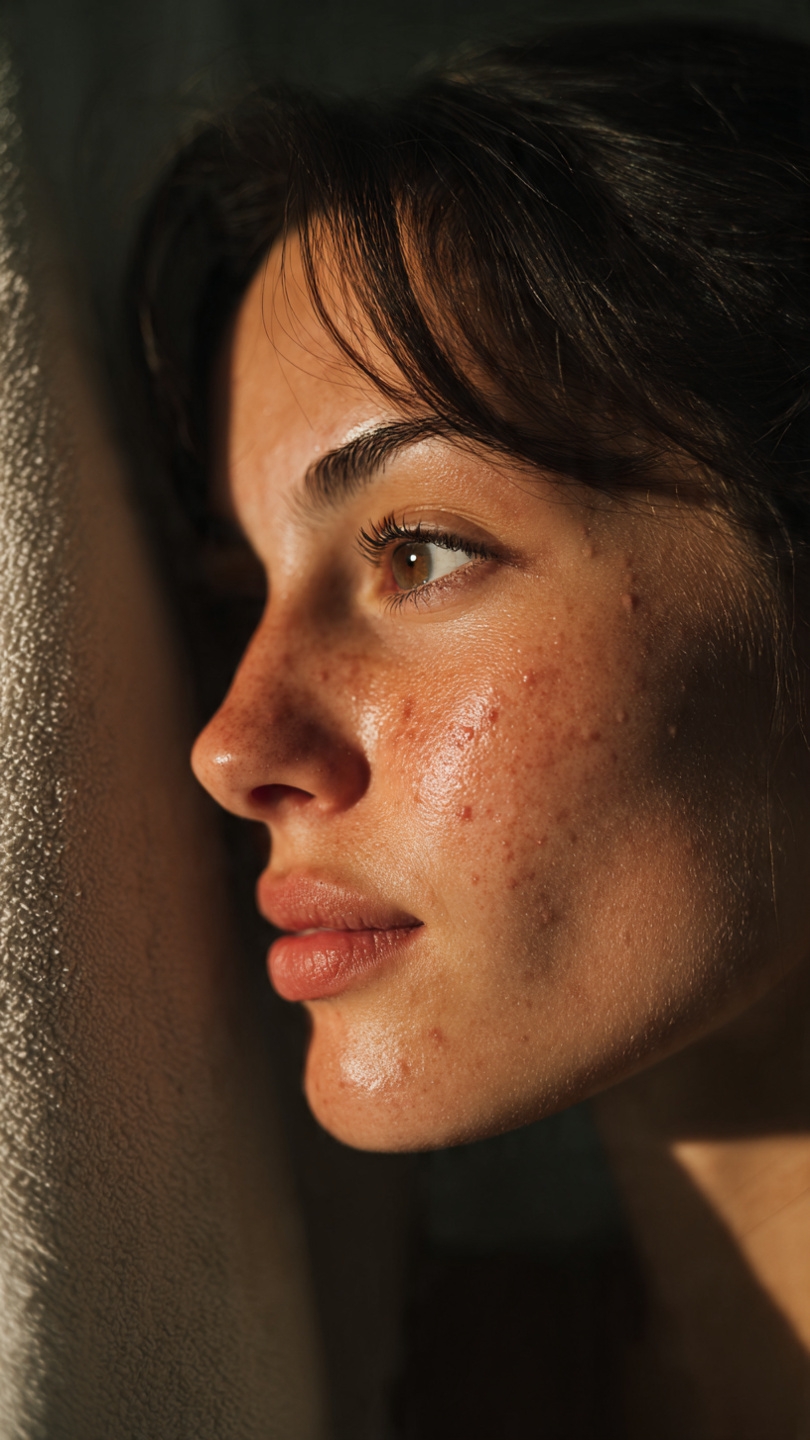
Acne is one of the most common skin concerns, affecting teenagers and adults alike. Pimples, blackheads, whiteheads, and painful cysts can impact both your skin and confidence. While acne can have many causes—including excess oil production, clogged pores, bacteria, hormones, and stress—the good news is that it can often be managed with the right skincare routine and healthy habits.
This guide shares practical acne treatment tips, natural remedies, and skincare advice to help you achieve clearer, healthier-looking skin.
What Causes Acne?
Understanding the cause of acne is the first step toward effective treatment.
Common causes include:
- Excess oil (sebum) production
- Clogged pores from dead skin cells
- Acne-causing bacteria
- Hormonal changes
- Stress
- Poor skincare habits
- Heavy or pore-clogging makeup
- Certain medications
- Diet for some individuals
1. Cleanse Your Face Twice a Day
Wash your face every morning and evening with a gentle cleanser designed for acne-prone skin.
Tips
- Use lukewarm water.
- Avoid harsh scrubbing.
- Pat your skin dry with a clean towel.
- Cleanse after sweating.
Benefits
- Removes dirt and excess oil
- Helps prevent clogged pores
- Keeps skin fresh
2. Choose Non-Comedogenic Products
Use skincare and makeup labeled non-comedogenic, meaning they are formulated to reduce the chance of clogging pores.
Look for
- Oil-free moisturizers
- Lightweight sunscreens
- Non-comedogenic foundation
- Gentle cleansers
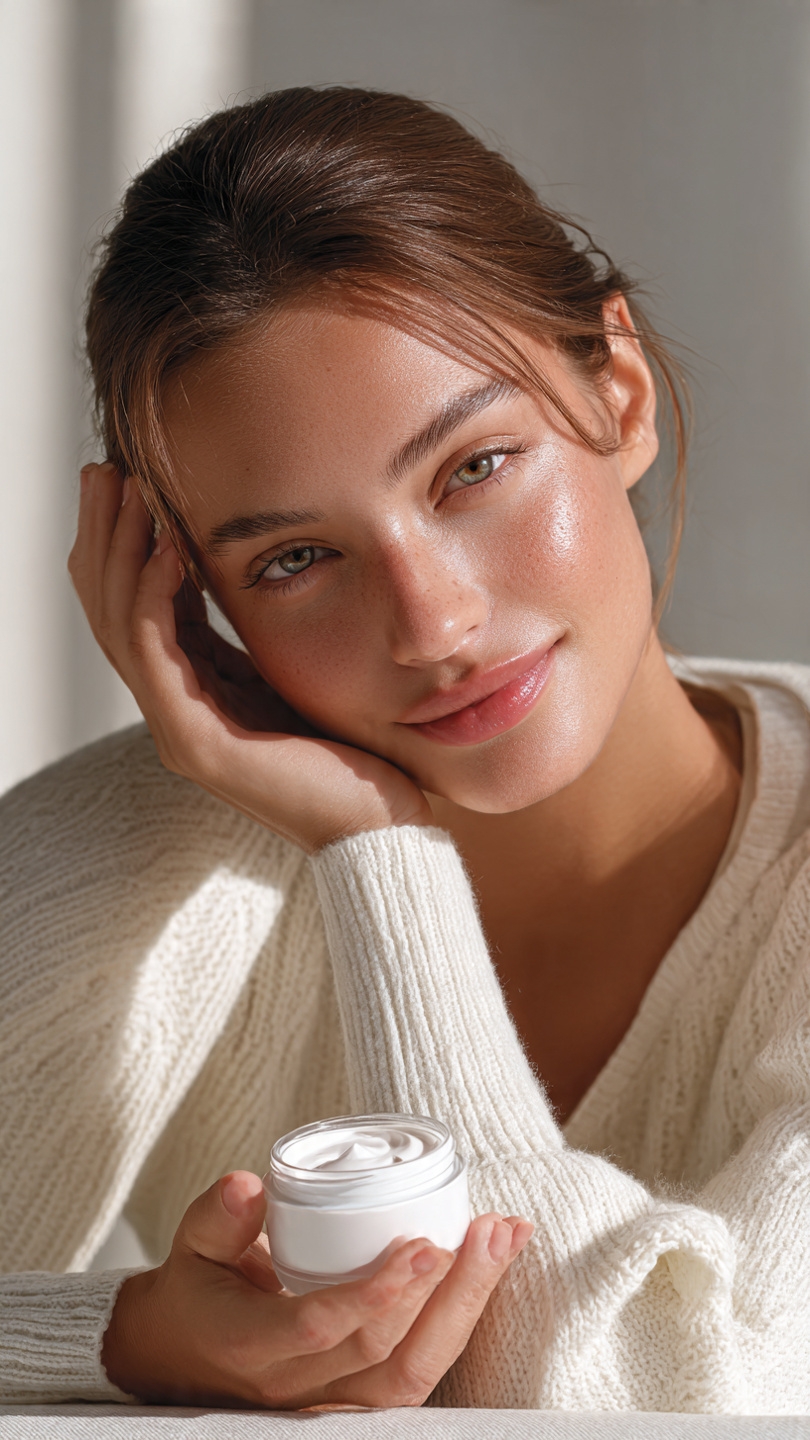
3. Moisturize Every Day
Even oily skin needs moisture. Skipping moisturizer can leave skin dehydrated, which may lead to increased oil production.
Choose a lightweight, fragrance-free moisturizer suitable for acne-prone skin.
4. Apply Sunscreen Daily
Sun exposure can worsen acne marks and increase the risk of discoloration after breakouts.
Choose a broad-spectrum sunscreen with SPF 30 or higher that is lightweight and non-comedogenic.
5. Don’t Pick or Pop Pimples
Picking at acne can:
- Increase inflammation
- Cause infections
- Lead to permanent scars
- Slow healing
Allow blemishes to heal naturally.
6. Use Proven Acne-Fighting Ingredients
Several ingredients have strong evidence for helping mild to moderate acne.
Salicylic Acid
- Helps unclog pores
- Reduces blackheads and whiteheads
- Gently exfoliates
Benzoyl Peroxide
- Helps reduce acne-causing bacteria
- Can improve inflamed pimples
Niacinamide
- Helps calm redness
- Supports the skin barrier
- May reduce excess oil
Azelaic Acid
- Helps with acne and post-acne marks
- Can reduce redness
Introduce new products gradually to minimize irritation.
7. Keep Hair Clean
Hair oils and styling products can transfer to your face and contribute to clogged pores.
Tips:
- Wash your hair regularly.
- Keep long hair away from your face.
- Avoid heavy hair products near the hairline.
8. Maintain a Healthy Diet
While diet isn’t the sole cause of acne, some people notice improvement by eating a balanced diet.
Include:
- Fresh fruits
- Vegetables
- Whole grains
- Lean protein
- Healthy fats
- Plenty of water
Consider limiting foods that seem to trigger breakouts for you, if you’ve noticed a pattern.
9. Reduce Stress
Stress can make acne worse for some people.
Healthy stress-management ideas include:
- Regular exercise
- Meditation
- Deep breathing
- Adequate sleep
- Time outdoors
- Relaxing hobbies
10. Change Pillowcases Regularly
Pillowcases collect oil, sweat, and bacteria.
For cleaner skin:
- Change pillowcases every few days.
- Wash makeup brushes weekly.
- Clean your phone screen regularly.
Natural Remedies for Acne
Some gentle home remedies may help support your skincare routine.
Aloe Vera
- Helps soothe irritated skin
- Provides lightweight hydration
Honey
- Naturally moisturizing
- Can help calm irritated skin
Green Tea
- Rich in antioxidants
- May help reduce excess oil when used as a cooled facial toner
Natural remedies are not a replacement for proven acne treatments, but they may complement your routine.
Daily Skincare Routine for Acne-Prone Skin
Morning
- Gentle cleanser
- Acne treatment (if recommended)
- Lightweight moisturizer
- Sunscreen SPF 30+
Evening
- Gentle cleanser
- Treatment product
- Moisturizer
Consistency is more important than using many products at once.
Lifestyle Tips for Clearer Skin
- Stay hydrated.
- Get 7–9 hours of sleep each night.
- Avoid touching your face frequently.
- Remove makeup before bed.
- Exercise regularly.
- Clean gym equipment and towels after use.
When to See a Dermatologist
Consider seeing a dermatologist if:
- Acne is severe or painful.
- You develop deep cysts or nodules.
- Acne leaves scars.
- Over-the-counter treatments haven’t helped after several weeks.
- Breakouts are affecting your confidence or daily life.
A dermatologist can recommend prescription treatments tailored to your skin.
Common Acne Treatment Mistakes
- Washing your face too often
- Using harsh scrubs
- Skipping moisturizer
- Popping pimples
- Trying too many new products at once
- Not wearing sunscreen
- Expecting overnight results
Managing acne takes patience and consistency. A gentle skincare routine, non-comedogenic products, daily sunscreen, and evidence-based acne ingredients can make a significant difference over time. Healthy habits like eating a balanced diet, managing stress, and avoiding picking at pimples also support clearer skin. If acne becomes severe or persistent, consulting a dermatologist can help you find the most effective treatment plan.