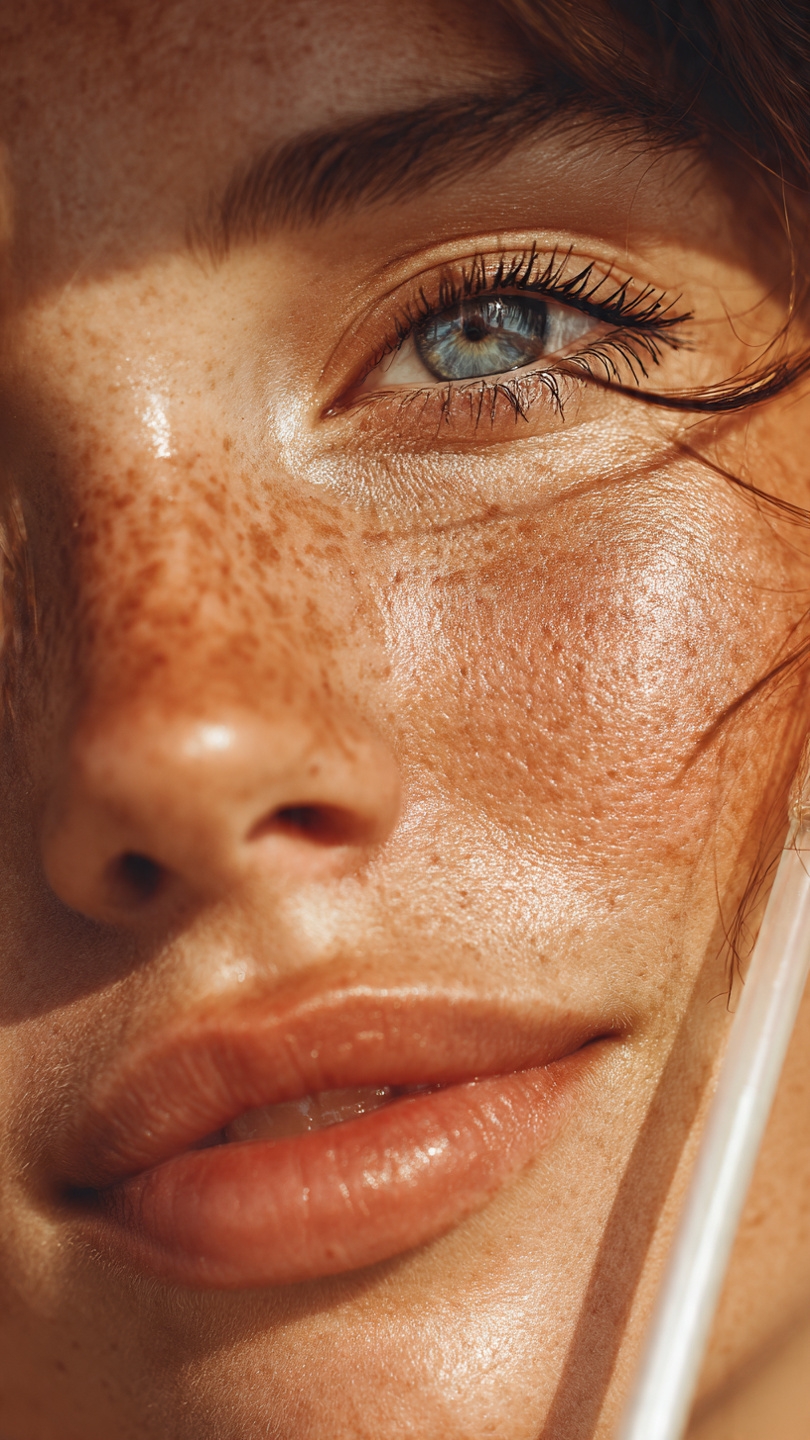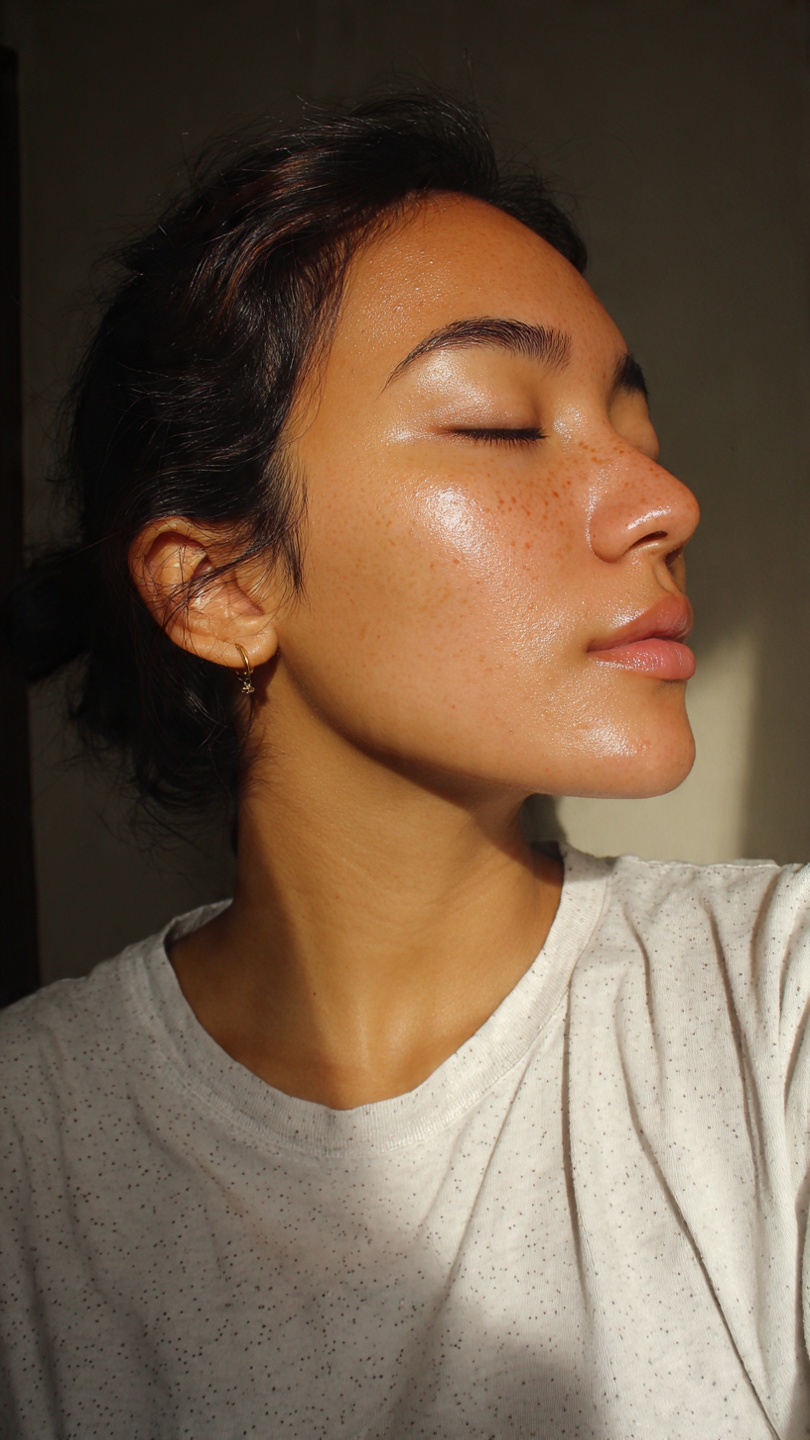
Dark Spot Removal Guide: How to Fade Hyperpigmentation for Clear, Even-Toned Skin
Introduction
Dark spots, also known as hyperpigmentation, are a common skincare concern that can affect people of all skin types. They often appear after acne breakouts, sun exposure, skin injuries, or hormonal changes. While dark spots are usually harmless, many people want to reduce their appearance for a brighter, more even complexion.
The good news is that with the right skincare routine, proven ingredients, and healthy habits, dark spots can gradually fade over time. This guide explains what causes dark spots, the best treatments, and tips to help you achieve healthier-looking skin.
What Causes Dark Spots?
Dark spots develop when the skin produces excess melanin, the pigment responsible for skin color.
Common causes include:
- Acne scars (post-inflammatory hyperpigmentation)
- Sun exposure
- Hormonal changes
- Skin injuries or burns
- Aging
- Insect bites
- Certain medications that increase sun sensitivity
Identifying the cause can help you choose the most effective treatment.
1. Wear Sunscreen Every Day
Daily sun protection is the most important step in preventing dark spots from becoming darker and helping existing spots fade.
Tips
- Use a broad-spectrum sunscreen with SPF 30 or higher.
- Reapply every two hours when outdoors.
- Wear a hat and sunglasses for extra protection.
- Seek shade during peak sunlight hours.
Benefits
- Prevents new dark spots
- Protects skin from UV damage
- Helps skincare treatments work more effectively
2. Use Vitamin C Serum
Vitamin C is a powerful antioxidant that helps brighten the skin and reduce the appearance of discoloration.
Benefits
- Brightens dull skin
- Helps fade dark spots
- Protects against environmental damage
- Promotes a more even skin tone
Apply a few drops in the morning before your moisturizer and sunscreen.
3. Add Niacinamide to Your Routine
Niacinamide is a gentle skincare ingredient that helps improve uneven skin tone and supports the skin barrier.
Benefits
- Reduces the appearance of dark spots
- Controls excess oil
- Minimizes redness
- Strengthens the skin barrier
4. Try Azelaic Acid
Azelaic acid is well known for improving both acne and post-acne marks.
Benefits
- Fades hyperpigmentation
- Helps reduce redness
- Improves skin texture
- Suitable for many skin types
5. Exfoliate Gently
Gentle exfoliation removes dead skin cells and supports healthy skin renewal.
Choose exfoliants with ingredients such as:
- Glycolic acid
- Lactic acid
- Mandelic acid
Avoid over-exfoliating, as it can irritate the skin and make discoloration worse.
6. Consider Retinoids
Retinoids encourage faster skin cell turnover, which can gradually reduce the appearance of dark spots and improve skin texture.
Start with a low-strength product a few nights a week and increase gradually if your skin tolerates it.
7. Keep Your Skin Moisturized
A healthy skin barrier helps your skin recover more effectively.
Look for moisturizers containing:
- Ceramides
- Hyaluronic acid
- Glycerin
- Squalane
Well-hydrated skin often looks smoother and more radiant.
8. Avoid Picking at Pimples
Picking acne or scabs increases inflammation and raises the risk of developing long-lasting dark marks.
Instead:
- Let blemishes heal naturally.
- Use acne treatments as directed.
- Keep your hands away from your face.
Natural Remedies for Dark Spots
Some natural ingredients may help soothe and brighten the skin, though results are generally slower than with evidence-based skincare products.
Aloe Vera
- Helps calm irritated skin
- Supports skin hydration
Green Tea
- Rich in antioxidants
- May help improve overall skin appearance
Turmeric and Yogurt Mask
- May brighten dull skin temporarily
- Use once a week and perform a patch test first
Natural remedies should complement—not replace—proven skincare ingredients.
Healthy Habits for Brighter Skin
Support your skincare routine by:
- Drinking plenty of water
- Eating fruits and vegetables rich in antioxidants
- Getting 7–9 hours of sleep
- Managing stress
- Avoiding smoking
- Following a consistent skincare routine
Healthy habits contribute to overall skin health.
Simple Daily Routine for Dark Spots
Morning
- Gentle cleanser
- Vitamin C serum
- Moisturizer
- Broad-spectrum sunscreen SPF 30+
Evening
- Gentle cleanser
- Niacinamide, azelaic acid, or a retinoid (as appropriate)
- Moisturizer
Introduce new products gradually to reduce the risk of irritation.
Common Mistakes to Avoid
- Skipping sunscreen
- Using too many active ingredients at once
- Picking at acne
- Over-exfoliating
- Expecting overnight results
- Not moisturizing
- Trying a new product every few days
Consistency is key when treating hyperpigmentation.
When to See a Dermatologist
Consult a dermatologist if:
- Dark spots continue to worsen.
- You have severe acne scars.
- Over-the-counter products don’t improve your skin after several months.
- You notice new or changing skin spots that look unusual.
A dermatologist can recommend prescription treatments or in-office procedures if appropriate.
Frequently Asked Questions
How long does it take for dark spots to fade?
Mild dark spots may improve within a few months, while deeper pigmentation can take longer. Consistent sun protection and skincare are essential.
Can dark spots disappear completely?
Many dark spots fade significantly with proper care, although some may take longer or require professional treatment.
Is sunscreen necessary indoors?
If you’re near windows or spend time outside during the day, daily sunscreen is still recommended to help prevent UV-related pigmentation.
Dark spots can improve with patience, consistency, and the right skincare routine. Daily sunscreen, proven ingredients such as vitamin C, niacinamide, azelaic acid, and retinoids, along with gentle exfoliation and good skincare habits, can help create a brighter, more even complexion over time. If your dark spots are persistent or severe, a dermatologist can provide personalized treatment options.